

Ranking higher on Amazon before Black Friday requires more than adding keywords to a product listing. Sellers need to make their products relevant to customer searches, improve listing quality, maintain competitive offers, and create a smooth shopping experience. Advertising and external marketing can also help attract potential buyers. With Black Friday approaching on November 27, 2026, sellers should focus on improving visibility and converting relevant traffic into genuine purchases.
The goal is not simply to attract more visitors. It is to help the right shoppers discover your products, understand their value, and feel confident enough to buy.
Why Does Amazon Search Ranking Matter Before Black Friday?
During Black Friday, shoppers search for products across different categories while comparing prices, features, and available deals. Products that are easier to discover have more opportunities to attract attention from potential customers.
Amazon search helps shoppers find products based on the terms they enter and the information sellers provide in their listings. Product titles, descriptions, attributes, and other listing details help Amazon understand what a product offers.
However, search ranking is not determined by one simple factor. Amazon does not publicly disclose every detail of its search algorithm. Sellers should focus on relevance, listing quality, customer experience, and sales performance instead of relying on claims about a guaranteed ranking formula.
It is also important to distinguish between search ranking and Best Sellers Rank (BSR). Search ranking refers to where a product appears for a particular search query, while BSR reflects a product's sales position within its category. They are related to product performance, but they are not the same thing.
Learn more: Amazon's guide to Best Sellers Rank.
How Can You Rank Higher on Amazon Before Black Friday?
Improving Amazon visibility takes a combination of listing optimization, relevant traffic, and consistent performance. Here are practical steps sellers can take before the holiday shopping rush.
1. Research the Keywords Your Customers Actually Use
Keyword research helps sellers understand how shoppers search for products.
Instead of targeting only broad terms, identify specific phrases that describe your product, its features, and its intended use.
For example, a seller offering an insulated water bottle might consider search terms related to:
Insulated stainless steel water bottle
Reusable water bottle for travel
Leakproof water bottle
Large capacity water bottle
Insulated bottle for everyday use
Use Amazon's search suggestions, competitor listings, and available keyword research tools to identify relevant search terms.
Prioritize keywords that accurately describe your product and match customer intent. Avoid adding unrelated popular keywords just to attract more traffic.
Amazon also offers tools such as Product Opportunity Explorer and Brand Analytics to help eligible sellers understand customer search behavior.
Learn more: Amazon SEO and product search ranking guidance.
2. Optimize Your Product Title and Description
Your product title is one of the first details shoppers see in search results. It should clearly identify the product and communicate its most important features.
A useful title generally includes the product name, relevant specifications, and distinguishing features where appropriate.
For example, instead of using a vague title such as "Premium Water Bottle," a more informative title might be:
"Stainless Steel Insulated Water Bottle, 32 oz, Leakproof Lid"
The description and bullet points should provide additional information that helps customers understand the product.
Focus on:
Main features and benefits
Materials and dimensions
Compatibility or usage information
Important product limitations
What is included in the package
Keep the content natural and easy to read. Repeating the same keyword unnecessarily can make a listing difficult to understand.
3. Improve Your Product Images and A+ Content
Images help shoppers evaluate products before purchasing. During Black Friday, when customers may be comparing several similar deals, clear visuals can make your listing easier to understand.
Review your product images and check whether they:
Show the product clearly from different angles.
Highlight important features.
Include useful dimensions or specifications where appropriate.
Demonstrate how the product is used.
Accurately represent the item customers will receive.
If your brand is eligible, consider using A+ Content to provide additional images, product information, and brand storytelling on the detail page.
Avoid overcrowding images with unnecessary text or making claims that cannot be supported.
4. Improve Your Listing's Conversion Potential
Getting more people to visit a product page is only part of the process. Sellers also need to help those visitors understand why the product is worth purchasing.
Look at your listing from a shopper's perspective.
Are the main benefits clear? Are the product dimensions easy to find? Does the price make sense compared with similar products? Are there unanswered questions that might prevent someone from buying?
Review customer feedback and identify recurring concerns. If shoppers repeatedly mention unclear sizing, missing instructions, or inaccurate expectations, address those problems before increasing advertising or promotional activity.
Amazon provides listing improvement recommendations through its Seller Central tools.
Learn more: Amazon Enhance Listings.
5. Use Amazon Advertising to Reach Relevant Shoppers
Amazon advertising can help products gain visibility for relevant customer searches.
Sponsored Products, for example, can place advertised products in shopping results and on product detail pages. Sellers can use keyword targeting and product targeting to reach shoppers who may be interested in their offers.
Before increasing advertising budgets, review your campaigns and identify:
Keywords that generate relevant traffic.
Search terms that lead to purchases.
Campaigns that spend without producing useful results.
Products with sufficient inventory to support additional demand.
Advertising costs compared with product margins.
Do not increase spending simply because Black Friday is approaching. Focus on campaigns that make commercial sense and support your sales goals.
Learn more: Amazon Ads.
6. Use Creator Marketing to Increase Product Awareness
Creator marketing can help introduce products to audiences outside Amazon.
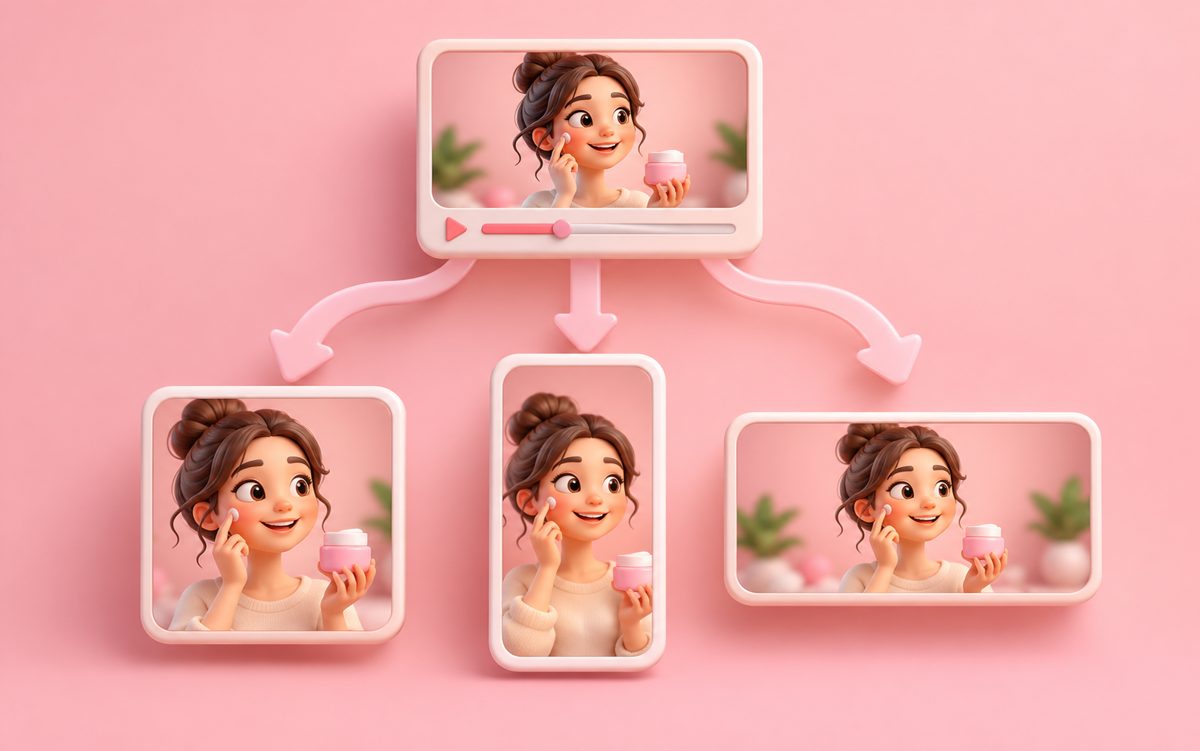
For example, a creator may demonstrate how a kitchen product works, show how a beauty item is used, or explain the features of a home product through a social media video.
This type of content can help potential customers discover a brand and learn more about its products before visiting an Amazon listing.
For sellers, creator campaigns can support a broader traffic strategy through:
Product demonstrations.
Social media videos and posts.
Lifestyle content.
Product education.
Links directing interested shoppers to the product listing.
However, creator marketing should not be treated as a guaranteed ranking shortcut. External traffic does not automatically improve organic search placement, and creator campaigns cannot promise a certain number of sales.
If you are driving external traffic to Amazon, eligible brands can explore Amazon Attribution to measure how non-Amazon marketing channels contribute to shopping activity and sales. The Brand Referral Bonus may also be available to eligible brands.
Learn more: Amazon Attribution and marketing measurement and Brand Referral Bonus.
7. Build Trust Through Authentic Customer Feedback
Customer reviews help shoppers understand how a product performs in real-world situations.
Before Black Friday, review your existing feedback and identify common questions or concerns. Use those insights to improve your product, packaging, instructions, and listing information.
Sellers can also use Amazon's Request a Review feature for eligible orders and consider Amazon Vine for qualifying products.
Never buy reviews, offer incentives in exchange for reviews, or require creators to publish Amazon reviews as part of a paid or product-seeding campaign.
Creator content and Amazon customer reviews must remain separate. Any reviews should reflect genuine, independent customer experiences and comply with Amazon's policies.
Read: Amazon Customer Review Policies.
8. Keep Your Products Available and Your Offers Competitive
A well-optimized listing cannot perform as expected if the product is unavailable or the offer is uncompetitive.
Before Black Friday, review your inventory and fulfillment plans. Estimate demand based on previous sales, current performance, and expected promotional activity.
Also review your pricing and promotions.
Consider:
Whether your selling price is competitive.
Whether your discounts leave enough room for profit.
Whether your products have sufficient stock.
Whether fulfillment arrangements can support expected demand.
Whether your delivery estimates are accurate.
A reliable shopping experience can help support customer satisfaction and reduce problems during high-demand periods.
How Does Creator Seeding Support Amazon Sales Growth?
Creator seeding involves providing selected creators with products so they can experience them and potentially create content about them.
For example, a brand selling a kitchen product may work with creators who regularly publish cooking or home content. A beauty brand may collaborate with creators whose audiences are interested in skincare or personal care.
The purpose is to introduce the product to relevant audiences and provide useful demonstrations that help shoppers understand its features.
A creator campaign may support Amazon sales by:
Increasing product awareness: More potential customers may discover the product through creator content.
Demonstrating product features: Videos and photographs can show how a product works in everyday situations.
Reaching relevant audiences: Working with creators in the right niche can help brands connect with shoppers who are more likely to be interested in their products.
Driving external traffic: Interested viewers may follow a disclosed product link to the Amazon listing.
Supporting brand recognition: Repeated exposure through relevant content can help customers become more familiar with a product or brand.
However, creator seeding is not a substitute for Amazon SEO, advertising, or listing improvements. It is one part of a wider marketing strategy.
Most importantly, do not make free products, reimbursements, or creator compensation conditional on publishing an Amazon review. If a creator is compensated or receives a product in exchange for content, applicable advertising disclosure requirements must also be followed.
What Should Sellers Prioritize Before Black Friday 2026?
With Black Friday scheduled for November 27, sellers should prioritize improvements that can realistically be completed before the event.
October 29–November 5: Optimize Your Listings
Research relevant search keywords.
Review product titles and descriptions.
Improve product images and A+ Content where available.
Identify recurring customer complaints.
Check listing quality and missing product attributes.
November 6–13: Strengthen Marketing
Review Amazon advertising campaigns.
Identify relevant creators for product-awareness campaigns.
Prepare creator content and promotional materials.
Review pricing and promotion eligibility.
Check inventory and fulfillment readiness.
November 14–20: Monitor Performance
Review advertising results and customer traffic.
Check whether product listings are converting.
Monitor inventory levels.
Review new customer feedback.
Adjust campaigns based on performance.
November 21–26: Complete Final Checks
Confirm that products are available.
Check active offers and promotional prices.
Verify listing accuracy.
Review advertising budgets.
Monitor fulfillment and customer-service issues.
These are suggested preparation windows, not Amazon-mandated deadlines. Check Seller Central for current shipment requirements and promotional eligibility.
What Mistakes Can Prevent Amazon Sellers From Ranking Higher?
Some sellers focus too heavily on ranking tactics and overlook the basics of product relevance and customer experience.
Avoid these common mistakes:
Keyword stuffing: Repeating keywords unnaturally can make product information difficult to read.
Using irrelevant keywords: Unrelated search terms may attract visitors who are not interested in the product.
Ignoring listing quality: Missing specifications and unclear images can make customers hesitate.
Overspending on advertising: More traffic does not automatically mean more profitable sales.
Ignoring inventory: Stock shortages can interrupt sales during important shopping periods.
Buying or manipulating reviews: Prohibited review practices can lead to enforcement and damage customer trust.
Expecting instant ranking improvements: Search performance can change over time, and no legitimate strategy guarantees a specific position.
A more sustainable approach is to improve the listing, attract relevant shoppers, and provide a reliable customer experience.
How Can Credorra Help Sellers Prepare for Black Friday?
Improving Amazon search visibility requires more than one marketing activity. Sellers need a combination of listing optimization, advertising, product awareness, and customer trust.
Credorra can be a starting point for brands exploring creator outreach and product-awareness campaigns.
Through relevant creator partnerships, sellers can introduce their products to audiences who may be interested in learning more about them. Product demonstrations and social media content can help communicate features and generate interest before shoppers visit an Amazon listing.
For the best results, sellers should define campaign goals clearly, select creators whose audiences match their products, and measure available traffic and campaign outcomes.
Creator campaigns should focus on awareness and genuine product experiences. They should never promise higher Amazon rankings, guaranteed sales, or positive customer reviews.
Want to build awareness for your products before Black Friday? Visit Credorra to explore its services and see how creator outreach may fit your Q4 marketing strategy.
Final Takeaway
Ranking higher on Amazon before Black Friday requires a strategy that combines discoverability, customer experience, and relevant marketing.
Start by researching the terms shoppers use, improving your product listings, reviewing advertising performance, and preparing your inventory. Creator marketing can complement these efforts by introducing products to new audiences and driving interest through useful content.
With Black Friday approaching on November 27, 2026, focus on the improvements that can make a real difference to your shoppers.
Better visibility starts with helping the right customers find the right product—and giving them a good reason to choose it.
Ready to prepare your brand for the holiday season? Visit Credorra to explore creator outreach and product-awareness opportunities.